How to Remove Limescale From Your Bathroom and Kitchen for Good
Water in many areas is hard, leaving stubborn white stains. Here is how to remove them and stop them coming back.
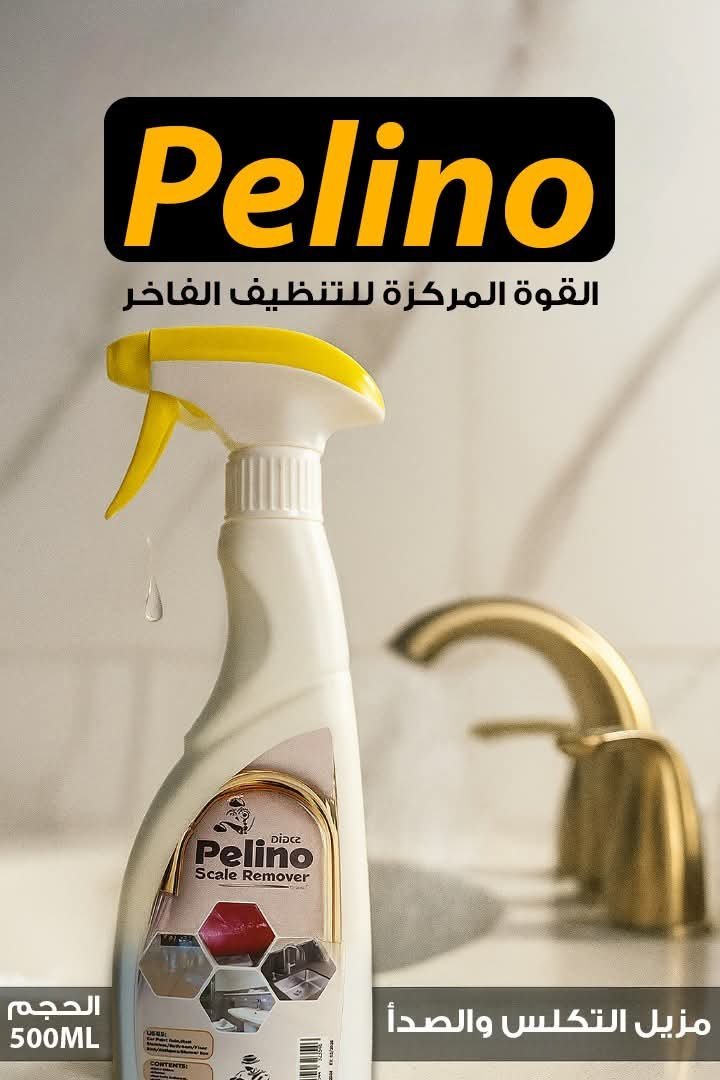
White stains on taps, shower glass and tiles are not ordinary dirt. They are calcium and magnesium deposits from hard water, and the longer they stay, the harder they are to remove.
Why limescale forms
When water evaporates from a surface, the dissolved minerals stay behind. Over time they build into hard layers, especially around taps, shower heads, sinks and toilets.
How to remove limescale
- Spray a strong descaling remover on the area and leave it for a few minutes, as directed, to dissolve the deposits.
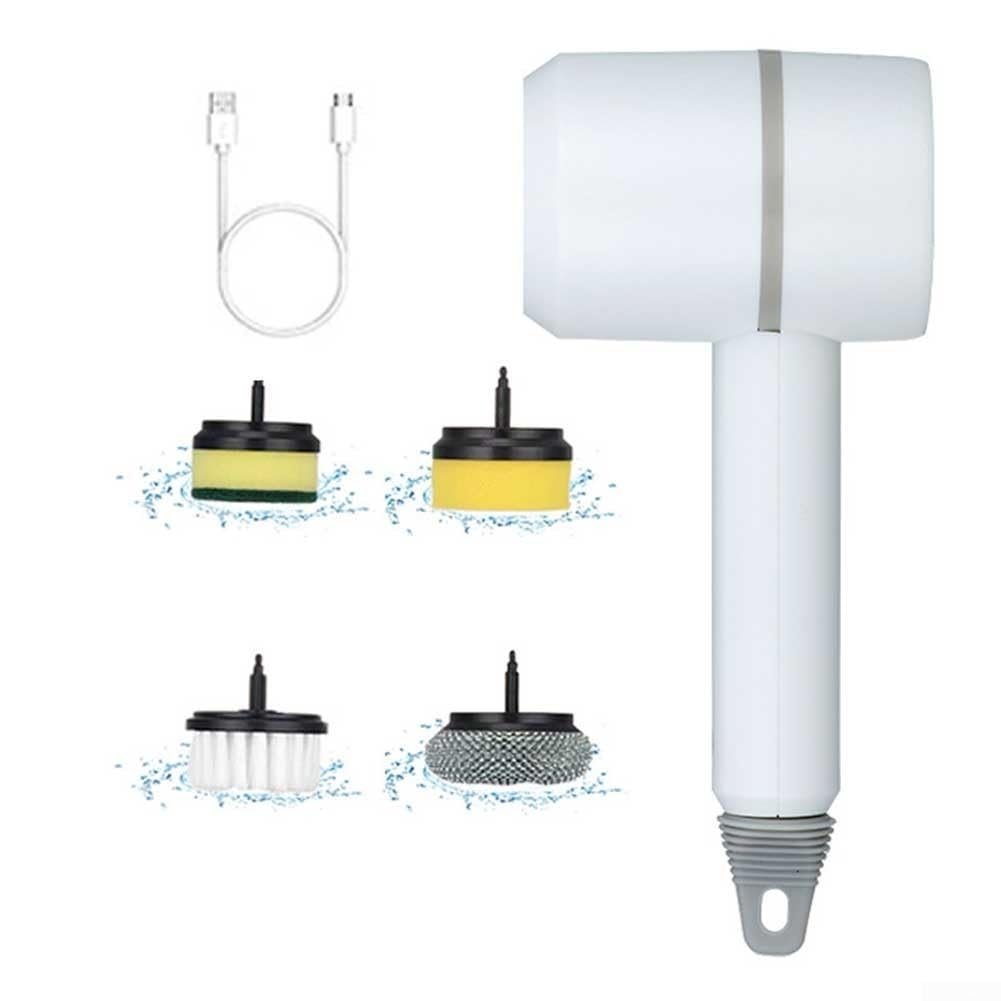
- Scrub with a sponge or brush. For corners and grout lines, an electric cleaning brush with 6 heads does the hard work.
- Rinse well with water and dry with a cloth.
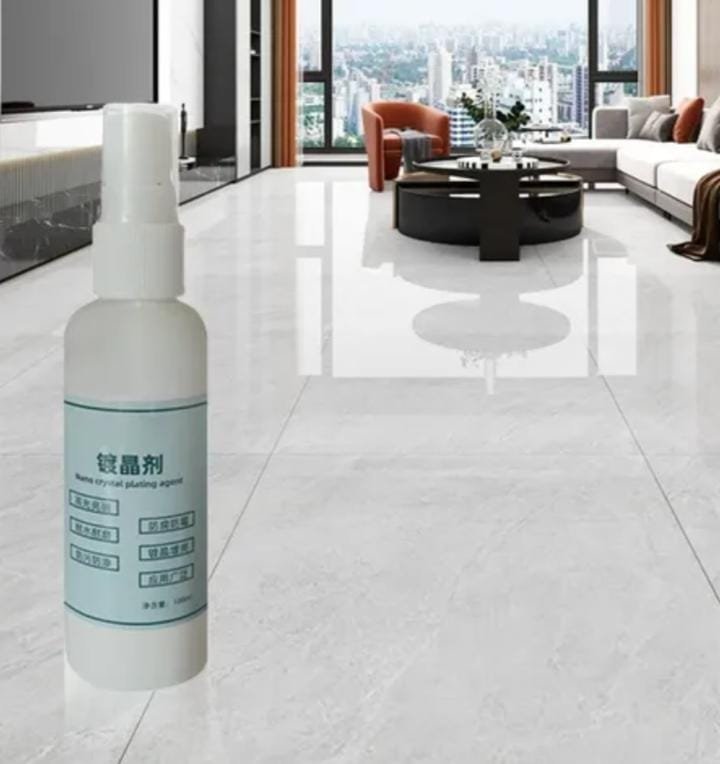
- Bring back the shine with a ceramic and surface polish.
Toilets and yellow rings
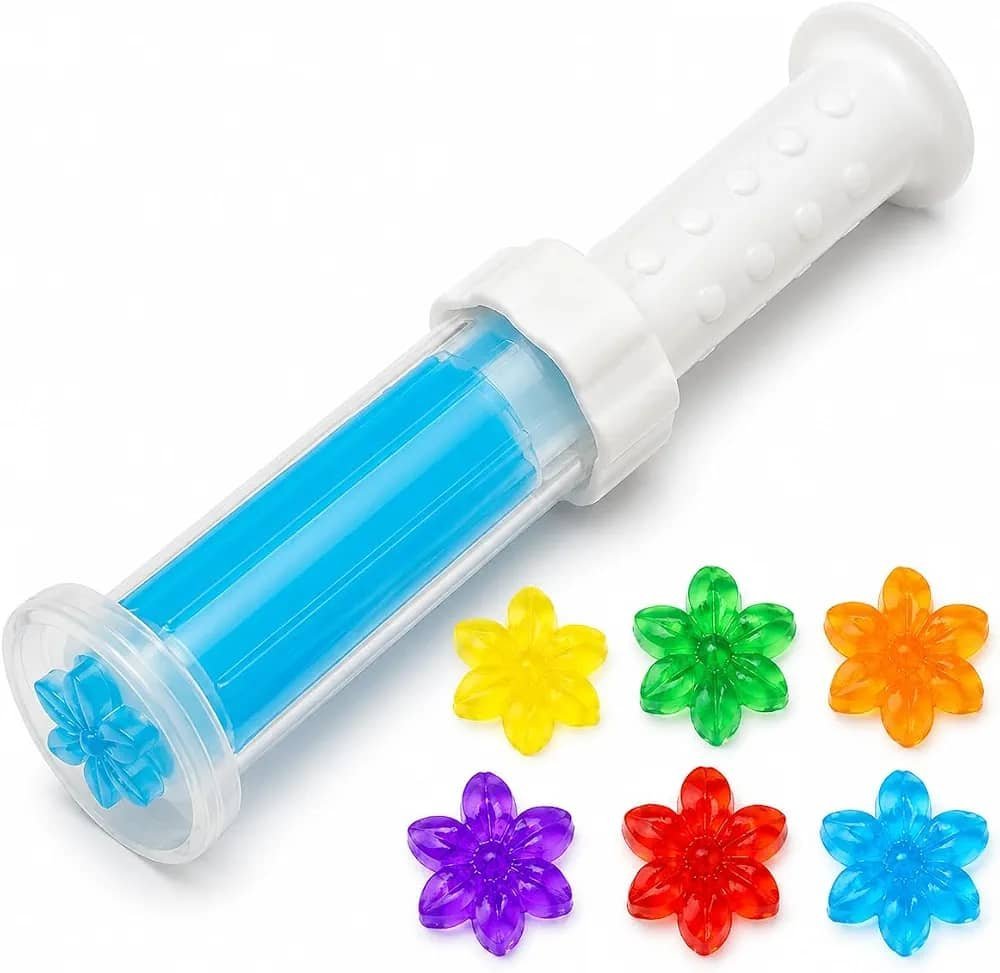
Yellow rings inside the toilet are usually limescale mixed with dirt. A toilet cleaning gel works with every flush and slows deposits from forming.
A clogged shower head
If the water flow gets weak, unscrew the shower head and soak it in descaler or white vinegar for an hour, then scrub the holes with an old toothbrush.
Prevention is easier than cure
- Wipe taps and shower glass dry after use.
- Clean the bathroom weekly before layers build up.
- Consider a water filter if your water is very hard.